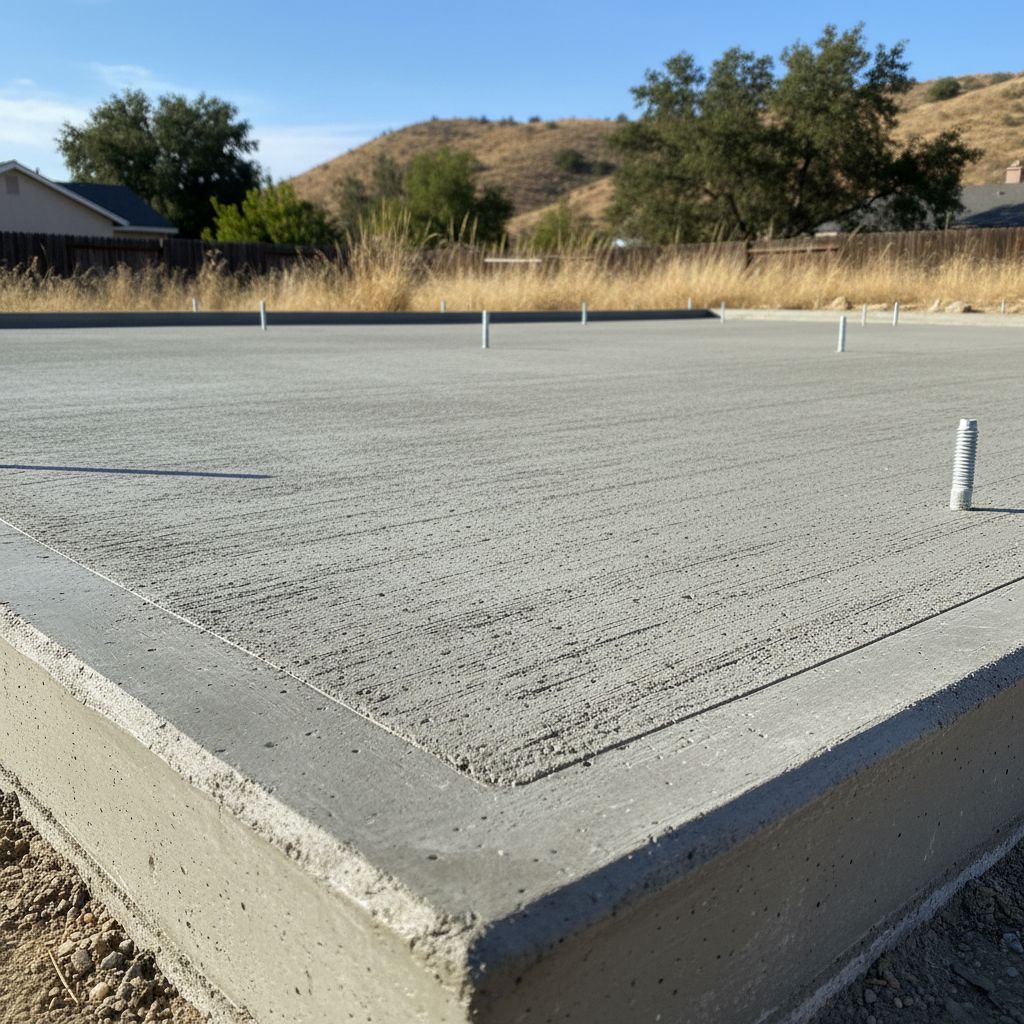
Alright, let's talk shed foundations. You've got a spot picked out in your backyard, maybe you're dreaming of a new storage shed or even a workshop. That's great! But before you even think about walls and a roof, you've got to get the base right. A good foundation isn't just a nice-to-have; it's what keeps your shed from sinking, shifting, or becoming a home for critters you didn't invite. Nobody wants that.
Before You Break Ground: Planning is Key
First off, what kind of shed are you putting up? A small, pre-fab plastic unit for garden tools is a whole different beast than, say, a 10x12 custom wood shed. The size and weight of your shed really dictate the foundation type you'll need. You'll also want to check with the City of La Mesa's building department. For smaller sheds, you might not need a permit, but for anything over a certain square footage (often 120 sq ft), or if you're pouring a concrete slab, you probably will. Don't skip this step; fines are a real pain, believe me.
Next, look at your site. Is it level? Is it prone to puddling when we get those winter rains? Here in La Mesa, especially in areas with clay soil like parts of Mount Helix, drainage is critical. You don't want water sitting around your foundation, inviting rot or undermining the structure. Consider the slope, too. If it's steep, you're looking at more complex (and expensive) solutions, like retaining walls or extensive grading.
Think about access. Can you get materials back there? A concrete truck might not be able to snake through your narrow side yard, meaning you'll be wheelbarrowing concrete, which is a lot of work. Plan your material delivery and staging area carefully.
Foundation Types: What's Right for Your Shed?
There are a few common types of foundations for sheds, each with pros and cons:
- Gravel Pad: This is often the simplest and most affordable for smaller, lighter sheds. You excavate a few inches, lay down landscape fabric, and then fill it with compacted gravel. It drains well and gives you a relatively level surface. You'll typically put pressure-treated skids or a timber frame right on top of the gravel.
- Concrete Blocks (Pier and Beam): For slightly larger sheds, you can use concrete blocks (like 8x8x16 solid blocks) set on compacted gravel or small concrete footings. You'll then build a treated wood frame (the