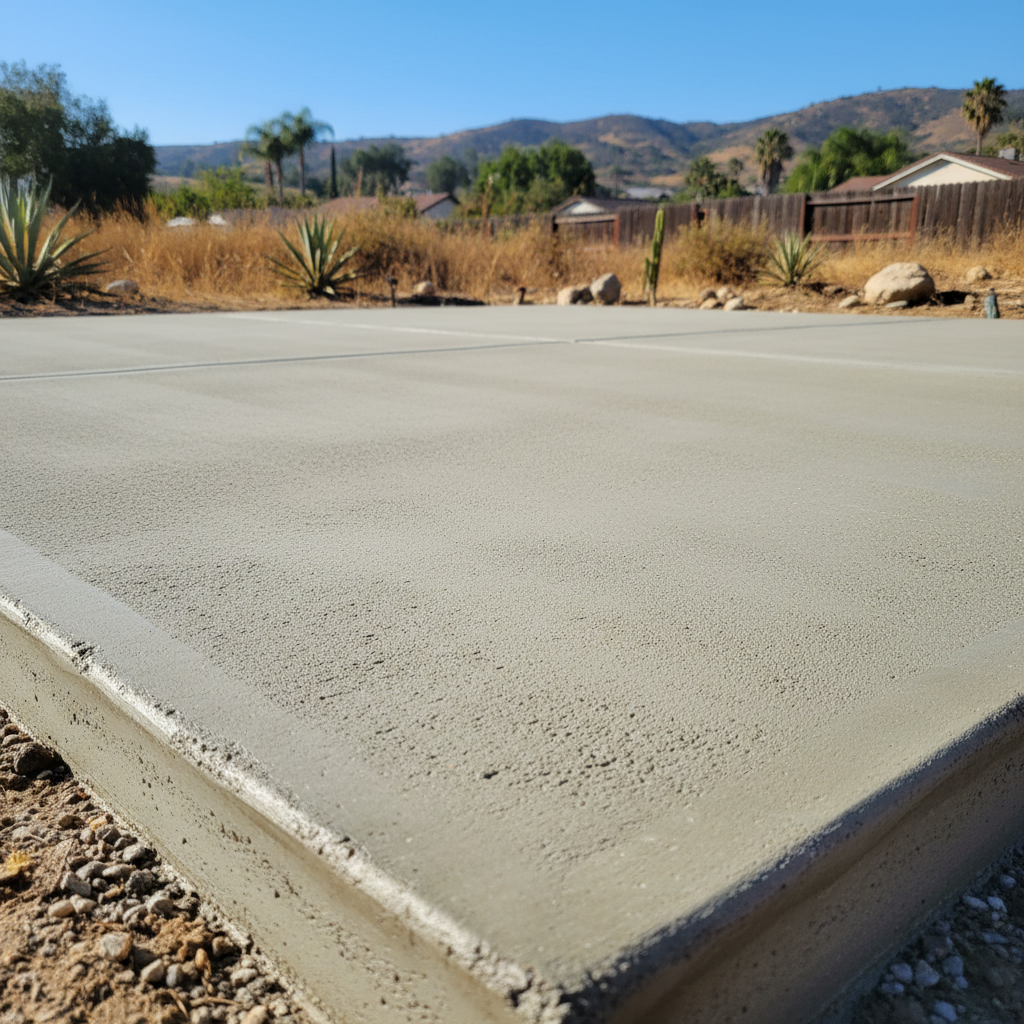
Alright, so you're thinking about getting a new shed for your backyard here in La Mesa. That's great! But before you even start looking at styles or sizes, we need to talk about what goes underneath it: the foundation. I've seen a lot of folks try to cut corners here, and trust me, it always comes back to bite 'em. A good foundation isn't just about keeping your shed level; it's about protecting your investment from moisture, pests, and even our local La Mesa soil conditions.
Before You Dig: Planning Your Shed's Base
First things first, you gotta figure out what kind of shed you're putting in. Is it a small storage unit for garden tools, or are we talking about a bigger backyard office from La Mesa Custom Sheds? The size and weight of your shed will dictate the foundation type. For smaller, lighter sheds, you might get away with something simpler. For anything substantial, especially if you're planning on spending a lot of time in it, you need a solid, level base.
You'll also need to check with the City of La Mesa's planning department. They have rules about setbacks from property lines, easements, and sometimes even foundation requirements, depending on the shed's size. Don't skip this step; fines are no fun. Also, think about drainage. We get some decent rain here, and you don't want water pooling around your shed. Pick a spot that naturally drains away from where your shed will sit, or plan for some grading.
DIY Foundation Options: What You Can Tackle
For smaller sheds, say 8x10 or less, you might be able to handle the foundation yourself. Here are a couple of common DIY approaches:
- Gravel Pad: This is a popular one. You'll need to dig out the area a few inches deep, lay down some landscape fabric to prevent weeds, and then fill it with compacted gravel. Make sure it's level! You can use a perimeter of pressure-treated lumber to hold the gravel in place. It's good for drainage and relatively inexpensive.
- Concrete Pavers or Blocks: For a slightly more robust option, you can set concrete pavers or blocks on a level, compacted gravel base. This lifts the shed off the ground a bit more, which is great for air circulation and preventing moisture issues. Again, getting it perfectly level is key.
When you're doing this yourself, remember to use a good level and a tamper. Compaction is super important. If your base isn't solid, your shed will settle unevenly, and that means doors won't close right, and the whole structure could twist over time.
When to Call a Pro: Concrete Slabs and Tricky Sites
Now, if you're looking at a larger shed, maybe 10x12 or bigger, or if you're planning on using it as a workshop or office, I'm going to tell you straight up: consider a concrete slab. This is where it often makes sense to call in a professional. Pouring a concrete slab isn't just about mixing cement; it involves proper excavation, rebar or wire mesh reinforcement, and getting the mix and pour just right. If you mess up a concrete slab, it's a huge headache to fix.
You should definitely call a pro if:
- You're building a large, heavy shed: A concrete slab offers the best long-term stability.
- Your site isn't level: Trying to level a significantly sloped area for a foundation is tough work and often requires specialized equipment.
- Poor soil conditions are a factor: Some parts of La Mesa have clay-heavy soil that can expand and contract with moisture. A pro will know how to prepare the site to mitigate this.
- You want utilities in your shed: If you're running electricity or plumbing, a pro can coordinate the necessary conduits and pipes within the slab.
Even for a gravel pad, if the site prep looks like a nightmare, don't be afraid to get an excavator in there for a few hours. It'll save your back and ensure a better outcome.
After the Foundation is Done: Protecting Your Investment
Once your foundation is in and your shed is built, you're not entirely done. You want to make sure water continues to drain away from the base. Check your gutters and downspouts on the shed, if it has them. Make sure they're directing water well away from the foundation. Keep vegetation trimmed around the base to allow for good airflow and prevent moisture buildup.
Periodically, check your shed's level. If you notice any settling, especially with a gravel or block foundation, you might be able to re-level it with shims or by adding more material. For a concrete slab, settling is much less likely, but if it happens, it's usually a sign of a bigger issue that needs professional attention. Getting the foundation right is the unsung hero of any shed project. It's not the flashy part, but it's what makes sure your shed stands strong and serves you well for years to come. Don't skimp on this step, whether you're doing it yourself or having La Mesa Custom Sheds build your dream backyard space.