Getting Your Shed Foundation Right: What You Need to Know
Alright, so you're planning a new shed for your backyard here in La Mesa. That's great! Maybe it's for extra storage, a workshop, or even a quiet office space. Whatever its purpose, there's one thing you absolutely can't skimp on: the foundation. A good foundation doesn't just keep your shed from sinking; it protects your investment from moisture, pests, and makes sure it lasts for years. I've seen too many folks try to cut corners here, and believe me, it always comes back to bite 'em.
So, let's talk about what you need to know before, during, and after your shed foundation project. I'll tell you what you can realistically do yourself and when it's time to pick up the phone and call in a professional.
Before You Break Ground: Planning is Key
Before you even think about digging, you've got to do your homework. First off, check with the City of La Mesa's planning department. Depending on the size and type of shed, you might need a permit. Don't skip this step; fines are no fun. Also, call 811 before you dig, every single time. You definitely don't want to hit a utility line.
Next, think about your site. Is it relatively level? Does water drain away from it, or does it just pool there after a good rain? Here in La Mesa, especially in some of the older neighborhoods with clay soils, drainage is a huge deal. You don't want your shed sitting in a puddle, right? If your site isn't perfectly flat, or if you've got drainage issues, that's already a sign you might need more than just a few concrete blocks.
Consider the type of foundation you'll need. For smaller, lighter sheds, a simple gravel base with concrete blocks or treated skids might work. For anything bigger or heavier, especially if you're storing valuable equipment or making it an office, you're probably looking at a concrete slab or a pier and beam system. The foundation type depends entirely on the shed's size, weight, and what you're putting inside it.
During the Build: DIY vs. Calling a Pro
Okay, so you've got your plan. Now, what can you do yourself?
- Site Prep: Clearing the area, removing grass and debris, and leveling the ground can often be a DIY job for smaller sheds. You'll need shovels, rakes, and maybe a tamper. For larger areas or significant grading, you might rent some equipment, but even then, it can be a lot of work.
- Gravel Base: If you're going with a gravel foundation, you can definitely spread and compact the gravel yourself. Just make sure you get the right depth—usually 4-6 inches of compacted gravel—and that it's level.
- Block or Skid Foundations: Setting concrete blocks or treated wood skids on your gravel base is also something many homeowners can handle. Use a good level and string lines to ensure everything is perfectly aligned and flat. This is crucial for the shed's structural integrity.
Now, when should you call in a pro? Pretty much anytime you're dealing with concrete or significant earthwork:
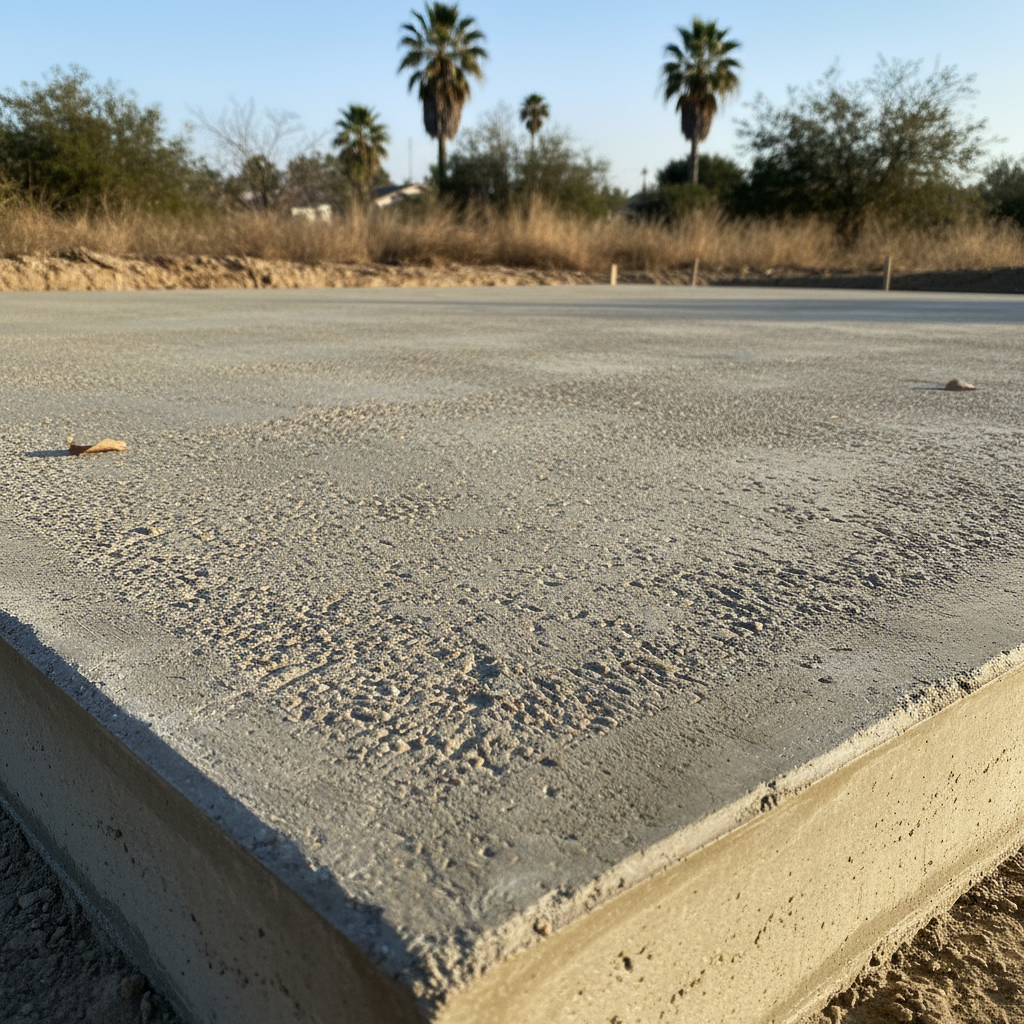
- Concrete Slabs: Pouring a concrete slab is a big job. It involves proper excavation, forming, rebar placement, mixing and pouring a lot of concrete, and then finishing it correctly. If you get this wrong, you'll have cracks, uneven surfaces, and a headache. Unless you've got serious experience with concrete, hire a professional. They've got the tools, the crew, and the know-how to get it done right.
- Pier and Beam Foundations: This type of foundation involves digging footings below the frost line (which isn't usually a huge concern here in La Mesa, but proper depth is still important for stability), pouring concrete piers, and then building a treated wood frame on top. It's more complex than a slab and usually requires specialized knowledge to ensure everything is square, level, and properly supported.
- Significant Grading or Drainage Issues: If your yard has a serious slope or persistent water problems, you'll want an expert to assess it. They can recommend solutions like French drains or retaining walls that go beyond a simple shed foundation.
Remember, a professional foundation from someone like us at La Mesa Custom Sheds isn't just about convenience; it's about peace of mind. We've got the experience to handle the unique challenges of La Mesa terrain and building codes.
After the Foundation is Down: Protecting Your Investment
Once your foundation is in place, whether you did it yourself or hired a pro, you're not entirely done. You need to protect it. Make sure your shed has good gutters and downspouts that direct water away from the foundation. Don't let water pool around the base of your shed; that's just asking for trouble with rot or settlement.
Keep an eye on the area around your foundation. Clear away any debris or vegetation that could trap moisture against the base. If you have a concrete slab, check for cracks periodically. Small hairline cracks might be normal, but anything larger could mean a problem. For pier and beam foundations, inspect the piers and beams for any signs of shifting or rot.
A solid foundation is the backbone of your shed. Taking the time to plan it right, knowing your limits, and not being afraid to call in a pro when needed will save you a lot of headaches and money down the road. It's the smart way to build here in La Mesa.