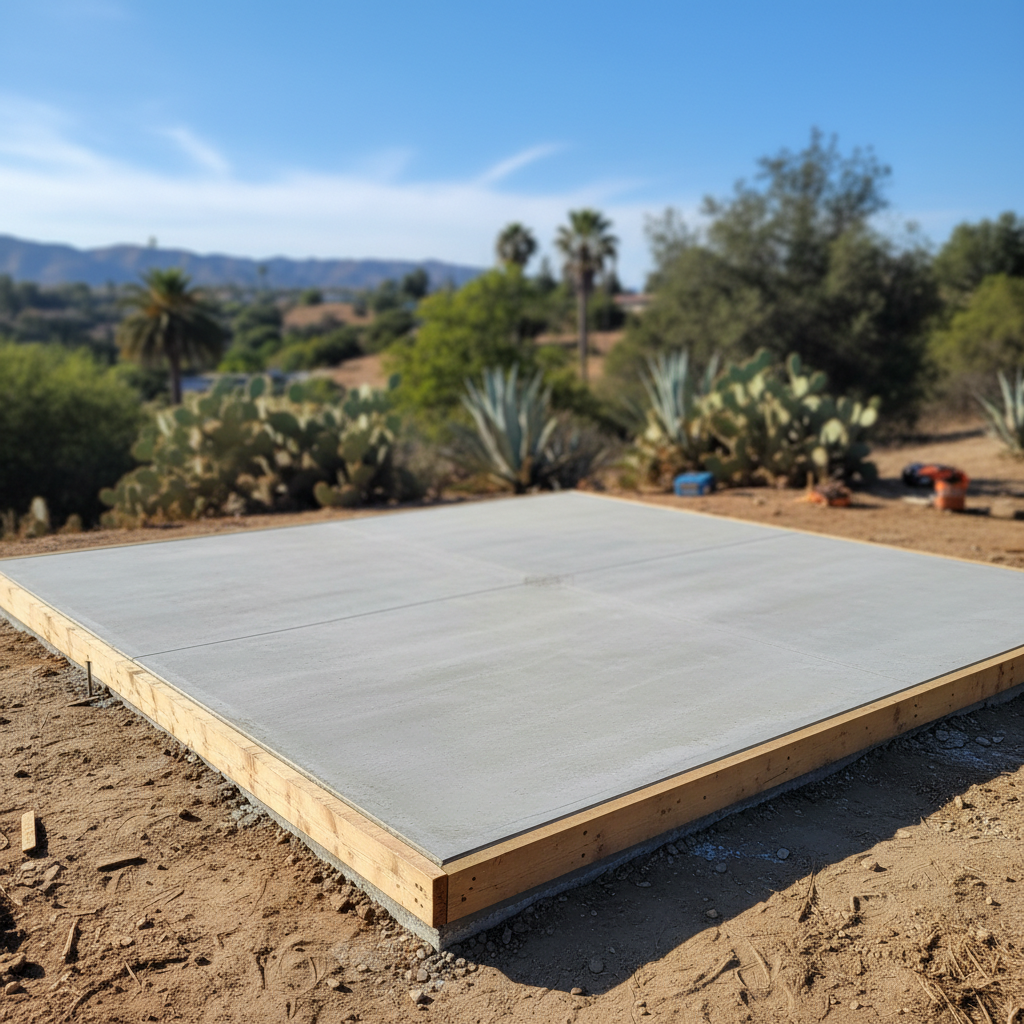
Alright, so you're planning a new shed for your La Mesa backyard. Maybe it's for extra storage, a workshop, or even a little getaway spot. Whatever your reason, one thing you absolutely can't skimp on is the foundation. It's literally the groundwork for everything else. A bad foundation means a crooked shed, water problems, and a whole lot of headaches down the road. Trust me, I've seen it firsthand.
Before You Dig: Planning Your Shed Foundation
Before you even think about moving dirt, you've got to do some homework. First, figure out what kind of shed you're building. Is it a small, lightweight storage unit, or a heavier, more permanent structure like an office shed? The size and weight dictate the foundation type. You wouldn't put a tiny garden shed on the same foundation as a two-car garage, would you?
Next, check your local La Mesa building codes. This is crucial. Even for sheds, there can be rules about setbacks from property lines, maximum heights, and yes, foundation requirements. You don't want to build something only to find out you have to tear it down later. A quick call to the city's planning department can save you a ton of grief.
Then, look at your site. Is it flat? Sloped? What's the soil like? Here in La Mesa, especially in some of the older neighborhoods with Canyon-adjacent properties, you might run into rocky soil or areas with more clay content. These things affect drainage and stability. You'll want to make sure water drains away from your shed, not towards it. Standing water around your foundation is a recipe for disaster.
Common Shed Foundation Types: What's Right for You?
You've got a few main options for shed foundations, and each has its pros and cons:
- Skid Foundation: This is basically a shed built on pressure-treated runners (skids) that sit directly on the ground or on concrete blocks. It's the simplest and cheapest option, often used for smaller, lighter sheds. You can even move these sheds if you need to. It's a good DIY project if your ground is relatively level and well-drained.
- Concrete Slab: A concrete slab is a solid, permanent foundation. It's great for larger, heavier sheds, workshops, or anything you want to feel like a permanent structure. It offers excellent stability and a clean, level floor. This is where things start getting a bit more involved. Pouring a proper slab requires careful planning, formwork, and knowing how to mix and pour concrete correctly.
- Pier and Beam Foundation: This involves concrete piers (or blocks) set into the ground, with beams spanning between them to support the shed floor. It's good for uneven terrain because you can adjust the height of the piers to level the structure. It also allows for airflow underneath, which can be good for preventing moisture issues, especially during our humid summer months here in San Diego County.
DIY vs. Calling a Pro: Where Do You Draw the Line?
Okay, so when do you roll up your sleeves, and when do you pick up the phone?
DIY territory:
- Small Skid Foundations: If you're putting in a small, pre-fab shed on skids or concrete blocks, and your site is pretty level, you can probably handle this yourself. You'll need to clear the area, level it, lay down some gravel for drainage, and then position your blocks or skids. Just make sure everything is level and square.
- Basic Pier Foundations (Small Scale): For very small sheds, you might be able to manage simple pier foundations using pre-cast concrete blocks. Again, leveling is key, and ensuring good drainage.
When to call a pro (like us at La Mesa Custom Sheds):
- Concrete Slabs: Unless you've got experience pouring concrete, this is usually a job for the pros. A bad slab can crack, sink, or drain incorrectly, leading to big problems. Pros have the right equipment, know how to prepare the sub-base, install rebar, and ensure a proper, level pour.
- Larger, Heavier Sheds: If your shed is big, heavy, or meant to be a permanent structure like an office or a substantial workshop, you want a professional foundation. The structural integrity is too important to mess up.
- Uneven or Challenging Sites: If your yard has a significant slope, poor drainage, or you're dealing with tricky soil conditions, don't try to DIY a complex foundation. A pro can assess the site, recommend the best solution, and ensure it's built to last. They'll know if you need specialized grading or retaining walls.
- Permit Requirements: If your shed project requires a building permit (which many larger ones do), the city will likely want to see professional plans and work for the foundation.
Look, I'm all for homeowners tackling projects themselves. It's rewarding. But some things are best left to the experts. A solid foundation isn't just about supporting your shed; it's about protecting your investment and preventing future headaches. Don't cut corners here. Get it right the first time, and your shed will serve you well for years to come.