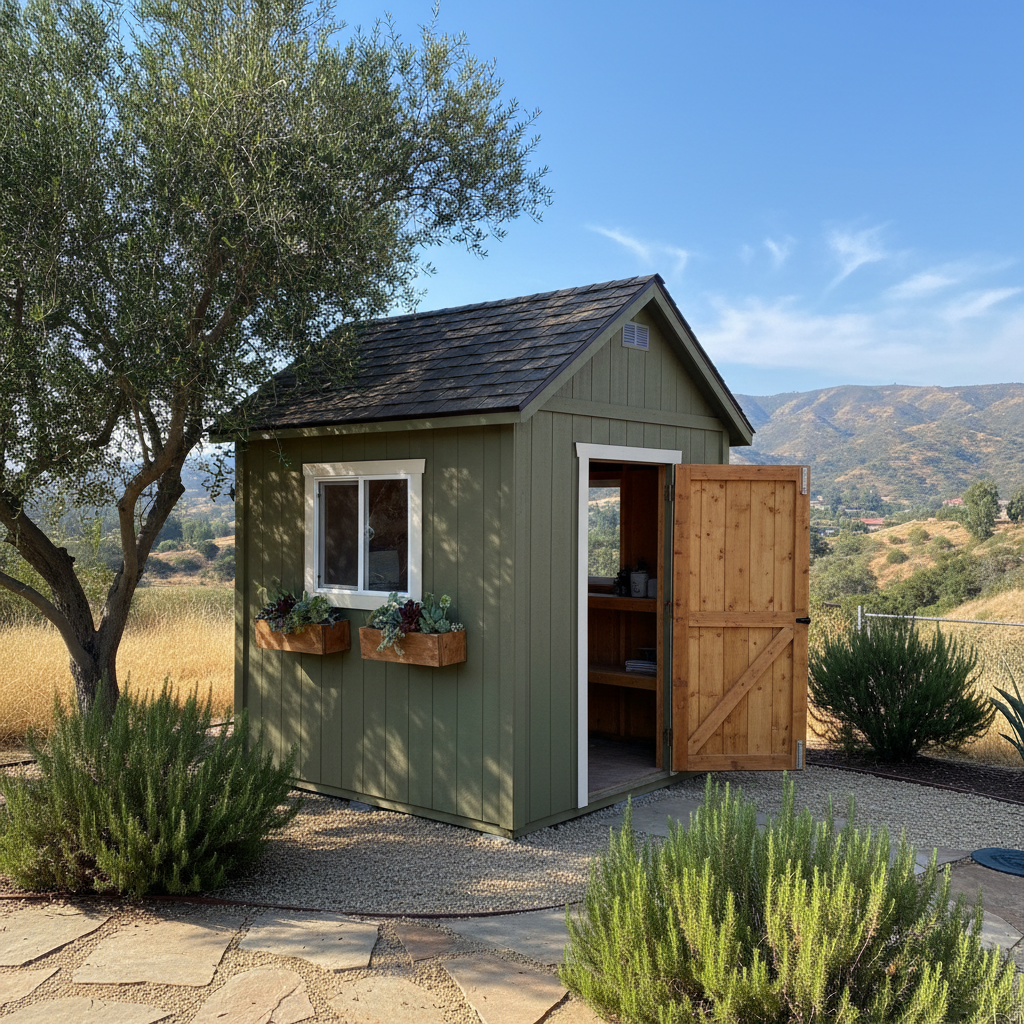
Timing Your Shed Project: When La Mesa Weather Works Best
So, you're thinking about a new shed, or maybe you just want to keep your old one in good shape. Smart move. Here in La Mesa, our weather isn't exactly wild, but it definitely has its quirks. Knowing them can save you a bunch of headaches — and some cash. I've been building and fixing things around here for years, and trust me, timing really is everything.
For new shed construction, the sweet spot usually runs from late spring through early fall. We're talking May through October. Why then? Because that's when we get our most consistent dry weather. When I'm pouring a foundation or framing a structure, I absolutely need things to stay dry. Concrete cures best without getting soaked, and lumber is a lot easier to work with when it's not constantly damp. Plus, my crew and I can work more efficiently without worrying about sudden downpours or muddy sites. You don't want us tracking mud through your yard, and frankly, we don't want to be doing it either.
Now, I've certainly done builds in the winter, and it's definitely possible. But you're kind of rolling the dice more with rain delays. We'll always work with you to schedule around the forecast, but sometimes Mother Nature just doesn't cooperate. If you're really set on a winter build, just be prepared for potential pauses. It's usually better to wait a few days for clear skies than rush a job in the rain. That can lead to moisture issues down the line, and nobody wants that.
Summer's Heat and Your Shed
Our La Mesa summers are hot and dry. Great for the beach, sure, but maybe not always for your shed if you haven't thought ahead. The biggest thing I see people miss is ventilation. If you're storing anything sensitive to heat – like paints, chemicals, or even some gardening tools – that shed can turn into an oven. I always recommend proper vents, maybe even a solar-powered fan, especially for sheds that get direct sun all day. It's not just about comfort; it's about protecting what's inside and preventing mold or mildew from forming in stagnant, hot air.
Also, that intense sun can be brutal on exterior finishes. If your shed is painted, make sure it's a good quality exterior paint, one designed for UV resistance. Stain works well too, but it needs reapplication every few years to keep it looking good and protecting the wood. Don't let your shed's exterior get chalky and faded; it's not just cosmetic, you know, it's the first line of defense against the elements.
Fall Prep: Getting Ready for the Wet Season
Once the heat breaks and we get into fall, that's your cue to do some serious shed maintenance. Before the first real rains hit, you want to make sure your shed is watertight. Check your roof for any loose shingles or flashing. Look at the caulking around windows and doors – if it's cracked or pulling away, reapply it. A small gap can turn into a big leak when the winter storms roll in.
Gutters, if your shed has them, need to be clear. I've seen sheds in older La Mesa neighborhoods, especially those with big oak trees, get their gutters completely clogged with leaves. Water will just overflow and run down the sides of your shed, potentially damaging the siding or even the foundation over time. A quick clean-out now can save you a lot of grief later.
Winter Rains and Long-Term Protection
Our winters aren't usually freezing, but they can be wet. Really wet. That's why proper drainage around your shed is crucial. Make sure water isn't pooling around the foundation. If your shed sits in a low spot, you might need to consider a French drain or some grading to direct water away. You want the ground around your shed to slope away from it, not towards it. This is especially important for sheds built on slab foundations; you don't want water sitting against the concrete.
Inside, if you've got anything that can rust or get damaged by humidity, consider using desiccants or a small dehumidifier, especially if your shed isn't insulated. Even without direct leaks, high humidity can cause problems. I've seen tools rust up pretty quickly if they're left in a damp environment all winter. A little proactive care goes a long way in preserving your investment.
And speaking of investment, remember that regular inspections are key. Just a quick walk-around every few months can catch small issues before they become big, expensive repairs. Check for any signs of pests, too – mice and termites love a cozy, neglected shed. If you're ever unsure about something, or if you're looking to build a new shed that's truly built for our local conditions, give us a call at La Mesa Custom Sheds. We've got the experience to make sure your shed stands strong, no matter what the La Mesa weather throws at it.