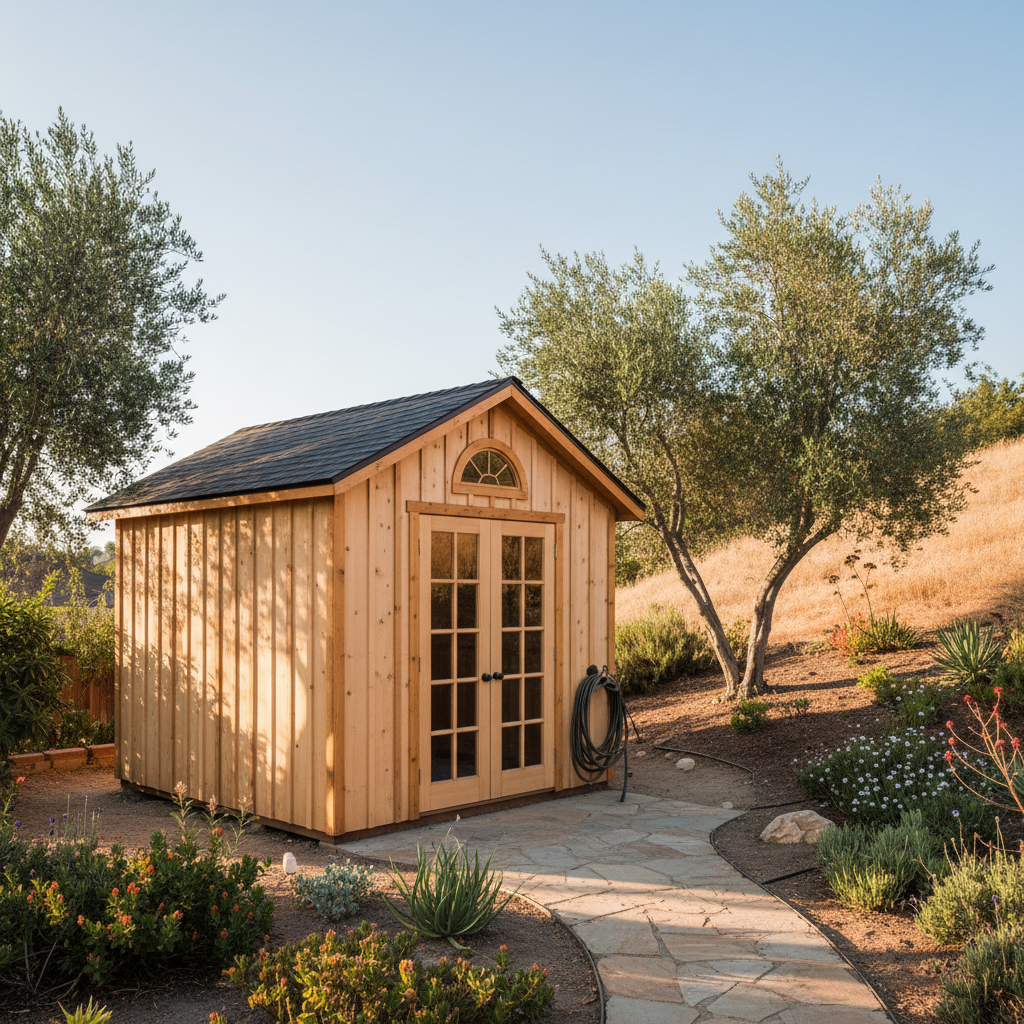
When's the best time to build a shed here in La Mesa? That's a question I get a lot, and it's a good one. You might think any time works, but our specific climate means there are definitely better windows for getting a project done right, and for making sure your shed lasts.
Timing Your Shed Project in La Mesa
For most outdoor construction, including sheds, I always recommend aiming for late spring or early fall. Why? It's all about avoiding the extremes. Our summers here in La Mesa can get brutal, especially inland away from the coast. You're looking at consistent 90-degree days, sometimes even pushing 100 or more. Working in that kind of heat isn't just tough on the crew; it can affect materials too. Adhesives might cure too fast, paint might bubble, and wood can expand and contract pretty dramatically.
Then you've got our winters. While we don't get snow, we do get our rainy season. Starting usually around November and running through March, we can see some serious downpours. Trying to build a shed in the middle of a rainstorm is a nightmare. Wet ground makes foundations tricky, lumber gets soaked, and everything just slows down. Plus, you don't want your new structure exposed to a ton of moisture before it's fully sealed up. So, late spring (April-June) and early fall (September-October) are usually ideal. The weather's milder, there's less chance of rain, and conditions are just better for quality work.
Weather Conditions That Impact Work
Beyond just the season, specific weather conditions play a big role. Here's what I'm always watching out for:
- Rain: This is the big one. Even a light drizzle can halt work on framing or roofing. We can't install electrical components in the rain, and nobody wants to be cutting wood when it's slick. If we're pouring a concrete slab for your foundation, rain is a definite no-go.
- High Winds: La Mesa can get some pretty gusty winds, especially during Santa Ana conditions. Trying to put up walls or roof panels when it's blowing 30 mph is dangerous and can lead to mistakes. We'll always prioritize safety and quality, so high winds mean we might need to reschedule.
- Extreme Heat: Like I said, 90+ degrees for days on end isn't just uncomfortable; it can compromise materials and worker safety. We'll often start earlier in the day or adjust schedules to avoid the worst of the afternoon sun.
- Humidity: While not as dramatic as rain or wind, high humidity can affect how paints and sealants dry. It's something we factor in, especially for finishes.
When you work with La Mesa Custom Sheds, we're always monitoring the forecast to make sure we're building in the best possible conditions for your project.
Protecting Your Shed Investment Year-Round
Once your shed is built, you'll want to keep it in top shape. Here's what I recommend for year-round protection, specific to our La Mesa environment:
- Seal and Paint Regularly: Our intense sun can really beat down on exterior finishes. I tell folks to check their shed's paint or stain every 3-5 years. Look for peeling, fading, or cracking. A fresh coat isn't just for looks; it's your shed's first line of defense against moisture and UV damage.
- Check the Roof: After our rainy season, take a look at your roof. Are there any missing shingles? Is the flashing around vents or edges still secure? A small leak can turn into a big problem fast. Clear off any leaves or debris that might have accumulated, especially if you're under an oak tree in the Mount Helix area.
- Inspect for Pests: We've got our share of critters here. Termites, ants, and rodents can all find their way into a shed. Do a perimeter check a couple of times a year. Look for mud tubes, droppings, or chewed wood. Keep vegetation trimmed back from the shed's foundation to deter pests.
- Foundation Drainage: Make sure water isn't pooling around the base of your shed. Our heavy rains can cause erosion or moisture issues if the ground isn't properly graded away from the foundation. Good drainage is key to preventing rot and pest intrusion.
- Ventilation: Especially in our hot summers, good ventilation inside your shed prevents condensation and keeps tools from rusting. Make sure vents aren't blocked and consider adding more if you notice excessive heat or dampness inside.
Taking these steps will help your shed stand strong against the La Mesa elements for years to come. It's an investment, and a little proactive care goes a long way.