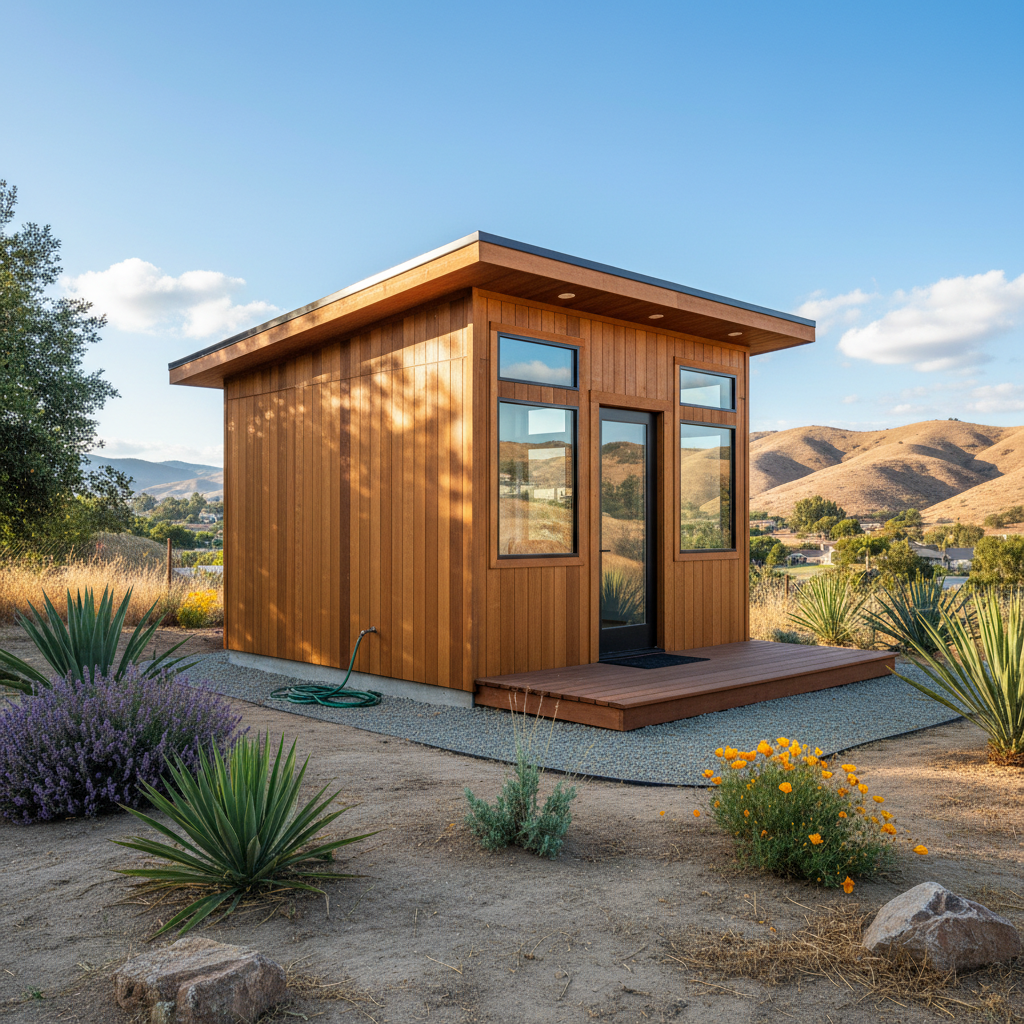
Alright, so you've got yourself a custom office shed, maybe even one we built for you at La Mesa Custom Sheds. It's your quiet space, your productivity zone, and a real asset to your property. But just like anything else you own, it needs a little TLC to keep it looking good and working well for years to come. I've seen plenty of sheds in La Mesa, from the ones tucked into the hills of Mt. Helix to the flatter lots near Grossmont Center, and I can tell you, proper maintenance makes all the difference.
Why Even Bother with Maintenance?
Look, it's simple. You wouldn't buy a new car and never change the oil, right? Same goes for your shed. Regular maintenance isn't just about how it looks; it's about protecting your investment, stopping costly repairs before they start, and making sure your workspace stays comfortable and secure. Our dry, sunny climate here in La Mesa is great, but it can be tough on materials if you're not paying attention. UV rays, occasional heavy rains, and even critters looking for a new home can all take their toll.
Your Regular Maintenance Checklist
This isn't rocket science, but it does require a little consistency. Here's what I recommend you do a few times a year – maybe quarterly, or at least twice annually:
- Clean the Exterior: Dust and dirt build up, no surprise there. Give the outside a good wash with some mild detergent and a soft brush or sponge. Rinse it thoroughly. If your shed has siding, check for any mildew, especially on the north-facing side that gets less sun.
- Inspect the Roof: This is huge. Get up there (safely, please!) and look for any missing, cracked, or curled shingles. Check the flashing around vents or chimneys. Clear off any debris, leaves, or pine needles that might be accumulating, especially if you're under some of those big eucalyptus trees common around here. You really don't want water pooling.
- Clean Gutters and Downspouts: If your shed has gutters, keep them clear. Clogged gutters mean water overflowing and potentially damaging your shed's siding or foundation. Make sure downspouts are sending water away from the shed, not letting it pool right at the base.
- Check for Pests: Spiders, ants, and even rodents love a cozy, undisturbed space. Look for nests, droppings, or chewed areas. Seal up any small gaps or cracks you find with caulk or steel wool.
- Inspect Doors and Windows: Make sure they open and close smoothly. Check the weatherstripping for cracks or gaps – you want a good seal to keep out dust, moisture, and pests. Lubricate hinges and latches if they're stiff.
- Examine the Foundation: Walk around the base of your shed. Look for any cracks in the concrete slab or shifting in the pier and beam foundation. Make sure there's good drainage around the perimeter and no standing water.
- Check for Water Leaks Inside: After a good rain, quickly pop into your shed and look for any signs of water intrusion – damp spots on the ceiling, walls, or floor. This is your early warning system.
Warning Signs You Can't Ignore
You're not a professional builder, but you can spot trouble if you know what to look for. These are red flags that mean something's not right:
- Water Stains or Mold: Anywhere inside – on the ceiling, walls, or floor. This screams water leak.
- Soft or Spongy Wood: If you press on any exterior wood trim or siding and it feels soft, that's rot. It needs attention fast before it spreads.
- Cracks in the Foundation: Small hairline cracks might be normal, but wide or spreading cracks could indicate a structural issue.
- Sagging Roof or Floor: This is a serious structural problem. Don't ignore it.
- Persistent Pest Issues: If you're constantly battling ants, termites, or rodents despite your best efforts, there might be a bigger entry point or infestation.
- Peeling Paint or Siding Damage: While not always structural, it exposes the underlying material to the elements, leading to bigger problems.
When to Call a Professional
Look, I'm all for DIY, but there are times when you just need to bring in someone with the right tools and expertise. Don't be a hero and risk making things worse, or worse, hurting yourself. You should call a pro if:
- You suspect structural damage: Things like a sagging roof, major foundation cracks, or significant wood rot. These aren't just cosmetic fixes.
- You have persistent leaks you can't find or fix: Water damage can be insidious and lead to mold and rot very quickly.
- You're dealing with a serious pest infestation: Termites, carpenter ants, or rodents can do a lot of damage quickly. Call an exterminator, and then a builder to fix the damage.
- You need roof repairs beyond a simple shingle replacement: If it's a large area or you're not comfortable on a ladder, it's best to hire a roofing contractor.
- You're considering major upgrades or renovations: If you want to add windows, change the layout, or do anything that involves cutting into structural elements, get professional advice.
Your office shed is an extension of your home, and with a little consistent care, it'll serve you well for decades. Don't let small problems turn into big, expensive ones. A little proactive maintenance goes a long way, especially for something that helps you get work done right here in La Mesa.