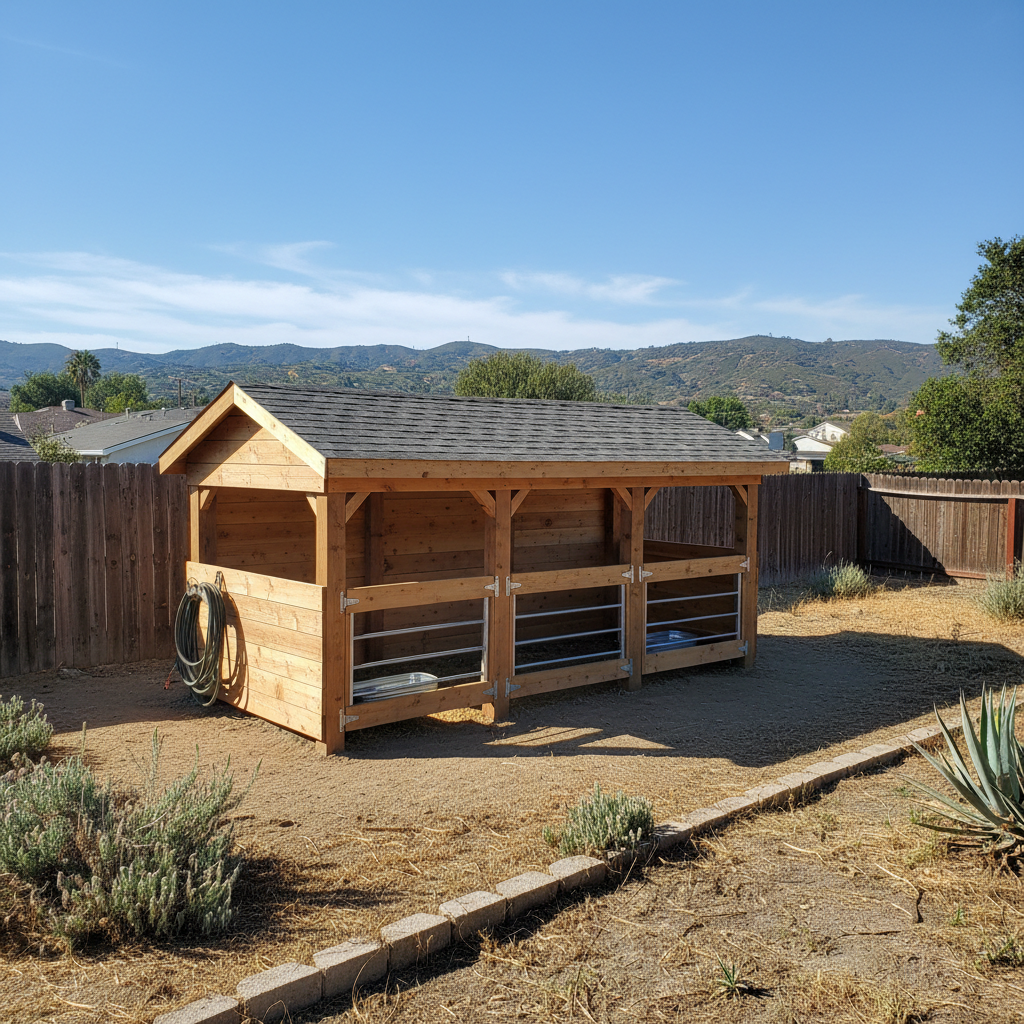
You've invested time and money into providing good shelter for your animals, whether it's for horses, goats, or chickens. That shelter isn't a 'set it and forget it' deal, especially here in La Mesa. We get that intense summer sun, the occasional heavy winter rains, and everything in between. All that weather takes a toll, and if you don't keep an eye on things, you're looking at bigger problems down the road.
Extending the Life of Your Livestock Shelter
The best way to make your shelter last is to build it right in the first place, but once it's up, maintenance is key. Think about the materials. If you've got wood, especially treated lumber, it's going to hold up better than untreated stuff. But even treated wood needs help. A good quality stain or sealant applied every few years can make a huge difference. It protects against UV damage, which is brutal here, and helps repel water. For metal roofs, you're looking at checking fasteners and coatings.
Drainage is another big one. If water pools around the base of your shelter, you're inviting rot and structural damage. Make sure the ground slopes away from the foundation. I often see shelters built on flat ground in areas like Spring Valley, and after a few years, the wood framing at the bottom starts to show signs of moisture damage. A simple gravel base or even a small trench can divert water and save you a lot of headaches.
Ventilation, especially in our hot climate, is crucial. Good airflow prevents moisture buildup inside, which can lead to mold and rot, and keeps your animals more comfortable. If your shelter doesn't have good vents, consider adding some. Just make sure they're protected from critters.
Regular Maintenance Checklist
I tell folks to do a quick visual check weekly, and a more thorough inspection quarterly. Here's what I'd be looking at:
- Roof: Check for loose or missing shingles, bent metal panels, or any signs of leaks. Look inside during a rainstorm if you can – that's the best way to spot drips.
- Walls & Siding: Are there any cracks, holes, or loose boards? Is the paint or stain peeling? Look for signs of animal chewing or rubbing.
- Foundation/Base: Check for erosion around the base, cracks in concrete, or signs of wood rot where the shelter meets the ground.
- Doors & Windows: Make sure they open and close properly. Check hinges, latches, and any screens for damage. Are they sealing well to keep out drafts and pests?
- Interior: Look for signs of moisture, mold, or pest activity. Check the integrity of any interior partitions or stalls.
- Fasteners: All those screws, nails, and bolts holding things together can loosen over time, especially with wind and animal activity. Give them a once-over and tighten anything that's wobbly.
It's also a good idea to keep the area around the shelter clear of debris, overgrown vegetation, and anything that could attract pests or block airflow.
Warning Signs You Can't Ignore
You're busy, I get it. But some things scream 'pay attention now!'
- Sagging Roofline: This is a big one. If your roof isn't straight, you've got a structural issue that needs immediate attention.
- Persistent Leaks: A small drip can turn into major rot very quickly. Don't put off fixing leaks.
- Visible Wood Rot or Mold: Especially at the base or around window/door frames. This means moisture is getting in and doing damage.
- Pest Infestations: Termites, carpenter ants, or even rodents can compromise the structure. If you see signs, act fast.
- Doors or Windows Sticking/Not Closing: This can indicate a shifting foundation or frame, or just worn-out hardware. Either way, it needs looking at.
- Unusual Odors: Musty smells often point to mold or trapped moisture.
When to Call a Professional
Look, I'm a big believer in DIY when you can do it safely and correctly. But there are times when you really need to call in someone with experience. If you see any of those major warning signs – a sagging roof, significant structural damage, widespread rot that's beyond a simple patch, or persistent leaks you can't track down – that's when you call La Mesa Custom Sheds. We've built and repaired enough structures around here to know what we're looking at.
Don't wait until a small problem becomes a complete rebuild. It's always cheaper and easier to address issues early. If you're not sure, give us a call. We can come take a look and give you an honest assessment. Protecting your animals and your investment is what it's all about.